

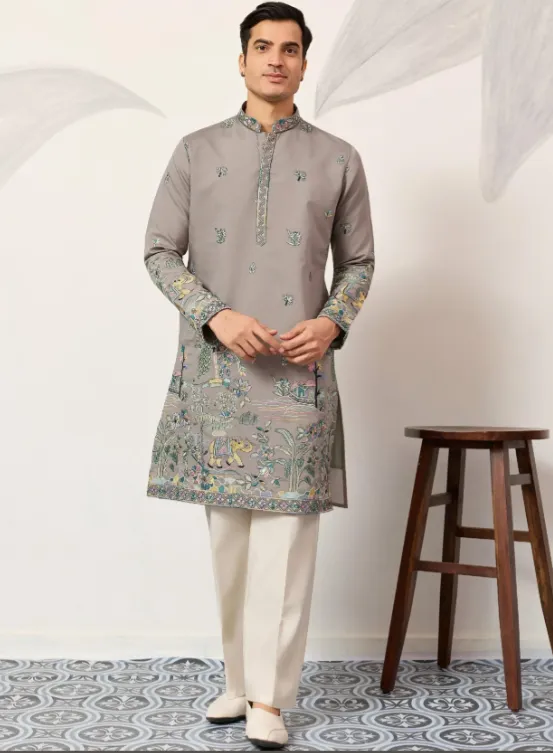
Festive dressing becomes much easier when every outfit does not have to be planned from scratch. A small collection of well-chosen ethnic wear for men can cover family pujas, Diwali dinners, engagement functions, weddings, and other celebrations without making the wardrobe feel repetitive.
The idea is simple: choose a few dependable pieces, then change the mood through layers, footwear, colour, and accessories. This approach saves space, makes dressing faster, and gives each garment more chances to be worn.
Build Around Repeatability, Not Quantity
A useful festive wardrobe does not need ten completely different outfits. It needs pieces that can move between dress codes. A solid kurta, for example, can look relaxed at a daytime gathering and become more formal with a waistcoat for an evening event.
Before buying something new, ask whether it can work with at least two items you already own. That one question helps prevent a wardrobe full of impressive pieces that are difficult to combine.
Choose a Base Palette That Mixes Easily
Colour planning makes repeat styling much simpler. Start with two or three dependable shades, then add one or two stronger festive colours. Ivory, beige, navy, black, olive, and muted blue are easy bases because they work with several jackets and bottoms.
For brighter additions, consider maroon, mustard, emerald, rust, or royal blue. You do not need every garment in a neutral shade; the goal is to make sure the colours can communicate with one another.
Let Fabric Follow the Season
A garment can look perfect and still be uncomfortable if its fabric does not suit the weather. Lightweight cotton blends and breathable fabrics are practical for warm daytime functions. Silk blends, jacquard, velvet accents, and denser textures can bring more presence to evening or cooler-season events.
It also helps to think about how long the celebration will last. For an event involving travel, sitting, and several hours of socialising, comfortable lining and manageable embroidery often matter more than extra decoration.
Make the Kurta Your Most Flexible Piece
Among mens kurtas, the most useful options are often the ones that can change character with styling. A clean straight-cut design can be worn on its own for a smaller celebration, paired with a Nehru jacket for a wedding event, or styled with a stole when a more ceremonial finish is needed.
When choosing one, pay attention to shoulder fit, sleeve length, and the way the garment falls while sitting as well as standing. Good proportions create a sharper appearance even when embroidery is minimal.
A versatile rotation might include:
-
One light neutral kurta for daytime events
-
One deep festive shade for evenings
-
One textured or embroidered option for weddings
-
One jacket that works with at least two kurtas
-
Two bottom styles, such as churidar trousers and straight pants
Change the Outfit Through Layers
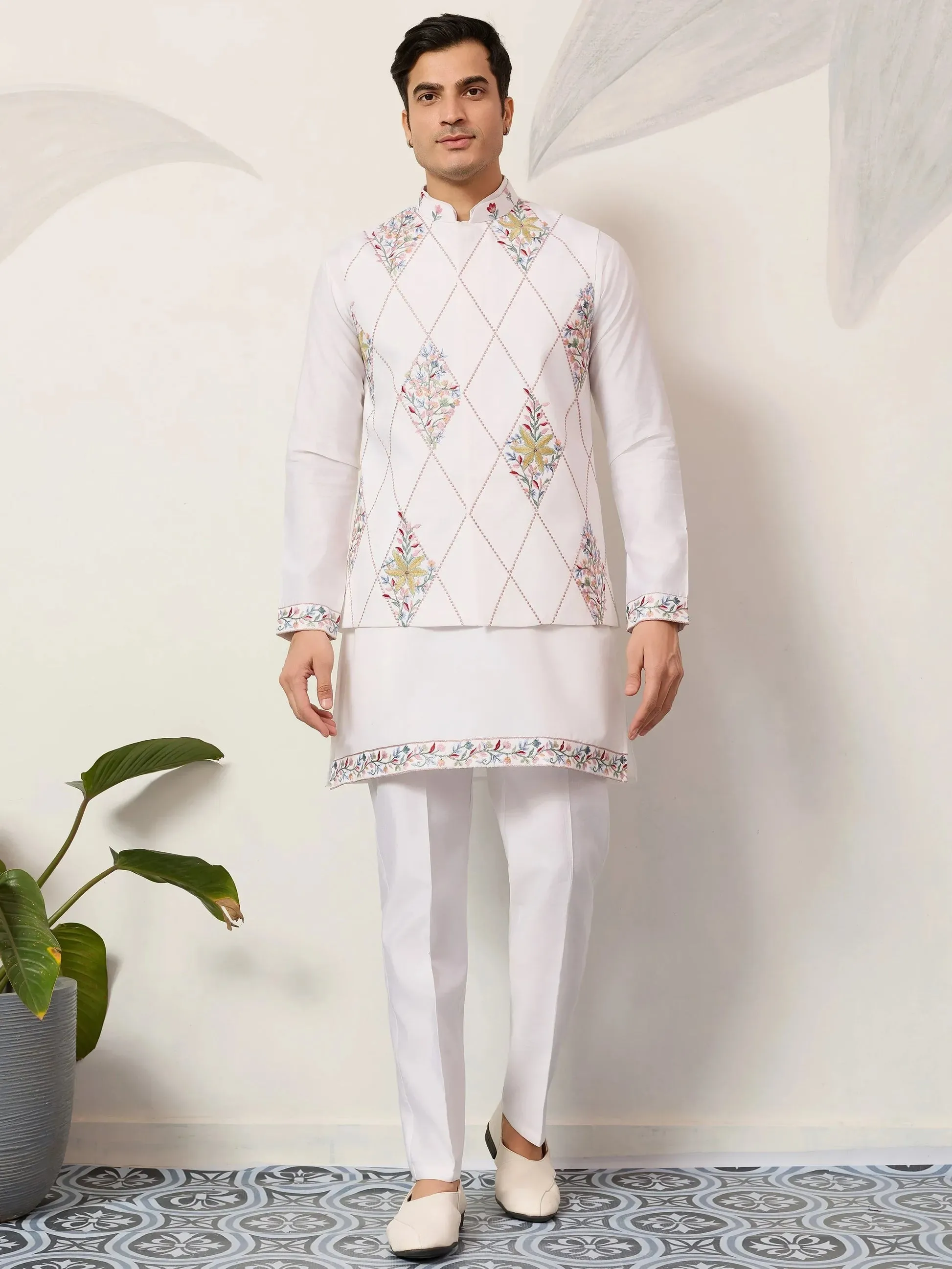
Layering is the easiest way to make familiar clothes feel different. A waistcoat with subtle weaving can add structure without making the outfit heavy. A contrasting jacket can create a stronger wedding look, while a stole adds formality with very little effort.
The trick is to avoid stacking too many statement elements. If the jacket carries bold embroidery, keep the kurta and footwear relatively quiet. If the kurta itself is detailed, choose a cleaner layer so the outfit has one clear focal point.
Use Accessories as Finishing Tools
Men’s festive accessories work best when they are intentional. Mojaris or embroidered loafers can shift an outfit away from everyday dressing, while a watch, pocket square, brooch, or simple bracelet can add personality.
For formal celebrations, select accessories according to the garment rather than wearing everything together. A brooch may suit a structured jacket, while a stole can be enough for a simpler kurta. Matching every accessory exactly is less important than keeping the overall palette balanced.
Plan Outfits Before the Festive Week Begins
A capsule wardrobe works only if the combinations are tested. Try complete outfits in advance, including footwear. Check whether trouser lengths work, buttons sit comfortably, and layers allow easy movement.
It can help to photograph three or four combinations on your phone. When invitations begin to overlap, you already have ready-made options instead of making last-minute decisions.
Final Thoughts
A practical festive wardrobe is built around versatility rather than volume. A few compatible colours, comfortable fabrics, dependable layers, and well-fitted core garments can create several distinct looks without unnecessary buying.
The result is a wardrobe that feels prepared rather than crowded. With thoughtful combinations and small styling changes, men can dress appropriately for different celebrations while keeping comfort, personal style, and tradition in balance.