

The more artificial intelligence is becoming popular, the more businesses are opting for GPUs for machine learning, generative AI, video editing, and inference tasks. One major decision that businesses have to make when buying artificial intelligence technology is whether to lease GPUs or buy them. However, while most people tend to be concerned about only the L4 GPU price, this issue transcends much beyond this factor.
However, there are pros to both renting from the cloud and buying hardware; which is the best financial move will depend on the intended use of the GPU. With an understanding of the total cost of ownership and other factors, the choice becomes easier to make.
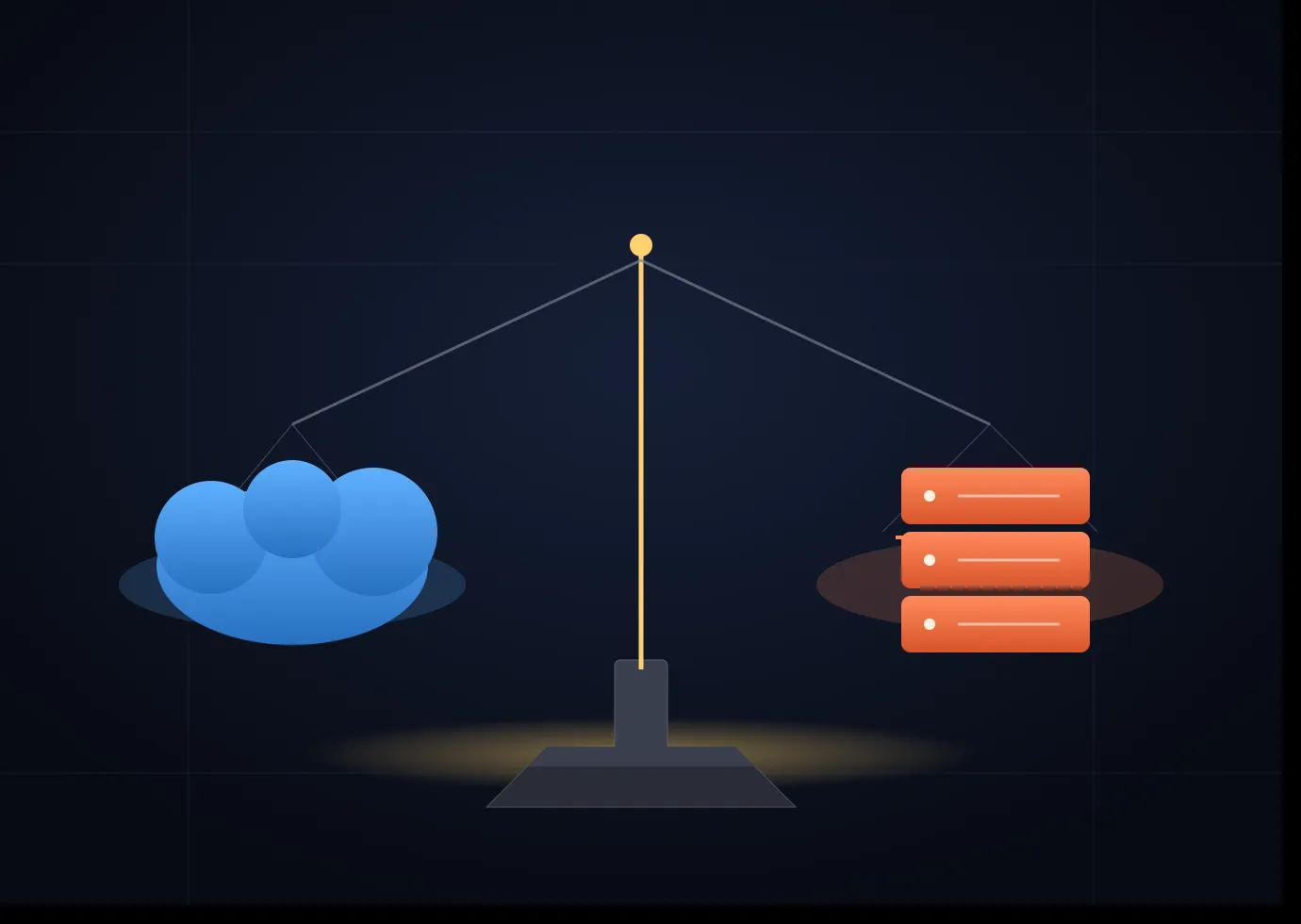
The True Cost of Owning an L4 GPU
Buying an L4 GPU may appear to be a one-time investment, but ownership involves several additional costs. Besides the GPUs, the other pieces of hardware necessary for running GPU infrastructure are the servers, storage solutions, network components, power supply units, and the cooling systems.
In addition to the above hardware costs, there will be additional expenses incurred on maintenance. Software upgrades, hardware monitoring, system repairs, and IT administration costs add up over time to create substantial overhead costs.
Managing dedicated hardware becomes both costly and time-consuming for companies lacking adequate IT capabilities.
Why Cloud GPU Rentals Are Gaining Popularity
The increasing popularity of GPU computing services using cloud is because these services avoid any form of capital investment at the outset. Rather than buying equipment to support GPU computing, enterprises can lease GPU resources on a pay-as-you-go basis.
This model lets companies launch their projects without any delay since there is no need for procurement and installation of equipment. In addition, it helps companies to change their expenses related to infrastructure investment from capitalized to operating.
When evaluating the effective L4 GPU price, many businesses find that cloud rentals provide greater flexibility, especially during the early stages of growth.
Utilization Determines Real Cost Efficiency
One of the most important factors in the cloud versus ownership debate is GPU utilization. If the GPU operates constantly with high utilization for the whole year, then buying hardware might become cheaper in the long run.
However, many organizations do not use GPU resources consistently. Low activity can be expected at times during development environments, test workloads, and seasonal projects. It would therefore not be efficient to pay for hardware that will remain idle during such times.
This challenge is effectively met through cloud rentals since one can pay only when he or she is utilizing the resources. The cloud infrastructure, thus, appears quite appealing to companies with irregular usage patterns.
Scalability Without Additional Hardware Investments
AI workloads often change rapidly as projects grow and evolve. Companies that have their hardware have to invest in more GPUs if there is an increase in demand, requiring considerable planning.
The cloud computing platform also provides more flexibility. Resources can either be increased or reduced depending on the workload demand without having to buy new hardware. It enables an organization to adapt quickly to changes.
When it comes to startups and businesses that are expanding, instant scalability is usually more beneficial than any cost savings realized through ownership.
Hidden Operational Costs of Hardware Ownership
Most firms under-appreciate the cost of running dedicated GPU hardware. But besides the L4 GPU price, companies have to consider the cost of power, air conditioning, security, maintenance and staff training.
Hardware failures will also cause unforeseen costs and downtime. Replacing hardware parts, troubleshooting, and upgrading systems will cost and take time.
The functions listed above are carried out by the cloud service provider for the customer, simplifying operation and allowing personnel to focus on applications rather than infrastructure.
Which Option Works Best for Startups?
For most startups, renting the cloud is usually the more practical option. For start-ups, flexibility, speed and cost control are more important than owning infrastructure for the long haul.
The cloud-based GPU allows startups to test their AI model, launch an application and allocate resources without investing much money. The process lowers risk and allows businesses to retain their funds for innovation.
It means, many AI startups prefer to go the cloud route instead of spending a lot of money on dedicated hardware in their early growth phase.
When Buying Hardware Makes Sense
There are advantages to cloud computing but there are advantages to ownership in some circumstances. Organizations with stable workloads and consistently high GPU utilization may find that purchasing hardware leads to lower long-term costs.
But for businesses running large-scale inference systems, video processing pipelines or continuous AI operations, dedicated infrastructure makes sense as the hardware is being used 24/7.
In these situations, the investment in the L4 GPU price can be recovered over years of consistent usage and predictable workloads.
Conclusion
The choice between cloud rental and hardware ownership depends on much more than the advertised L4 GPU price. The owning hardware option may save organizations money over the long term if their usage remains consistently high. However, this will also involve large capital expenditures and the maintenance responsibilities will fall on the organization.
Cloud rental is the way to go if businesses are concerned with agility, expandability, operational complexity and when the nature of the workload is dynamic. Businesses need to be able to take an informed decision based on utilization needs, hardware requirements and future plans to know which method of accessing compute is most suitable to their L4 GPU compute workload.